9 July 2026
Flammarion's Visionary 1864 Classic: Exploring the Plurality of Inhabited Worlds
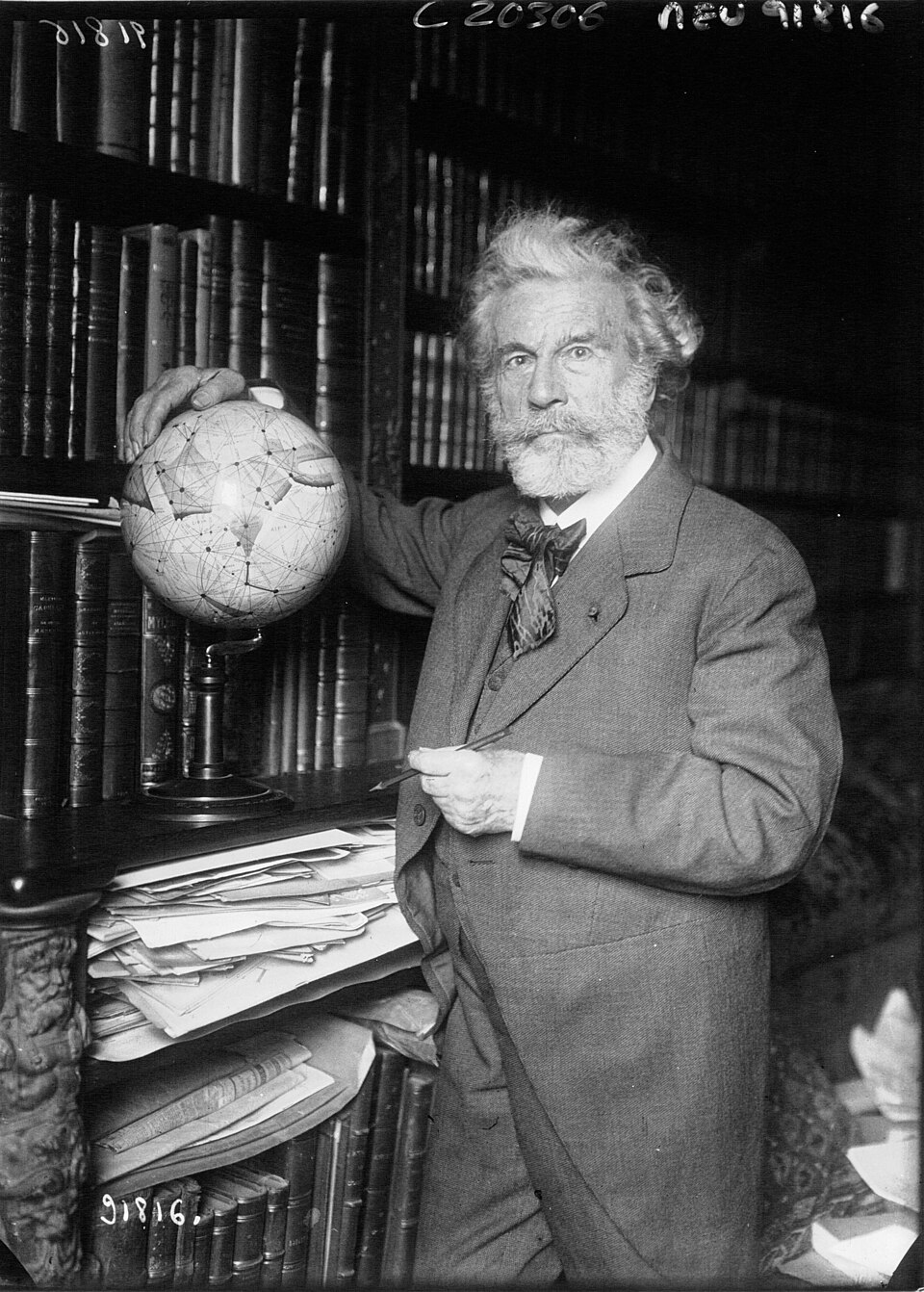
Discover why Camille Flammarion's groundbreaking 1864 treatise on extraterrestrial habitability remains a cornerstone of science fiction and astronomical philosophy. This rare first edition bridges Victorian science with imaginative speculation about life among the stars.
A Visionary Work Ahead of Its Time
La pluralite des mondes habites (The Plurality of Inhabited Worlds), published in 1864 by the French astronomer and author Camille Flammarion, stands as one of the most influential works examining the possibility of extraterrestrial life. This extraordinary treatise combines rigorous astronomical observation with philosophical inquiry and physiological speculation, creating a unique synthesis that captivated both scientific and popular audiences throughout the Victorian era.
Camille Flammarion: The Astronomer Who Dreamed of Other Worlds
Camille Flammarion (1842-1925) was not merely an astronomer—he was a visionary who believed that the universe teemed with life beyond our planet. After leaving his position at the Paris Observatory in 1862, Flammarion dedicated himself to both serious astronomical research and the popularization of cosmic speculation. His 1864 publication emerged at a pivotal moment in scientific history, when telescopic technology had advanced sufficiently to inspire genuine debate about conditions on other celestial bodies, yet remained limited enough to leave room for imaginative interpretation.
Content and Intellectual Significance
This remarkable volume systematically examines the habitability conditions of celestial lands from three complementary perspectives: astronomy, physiology, and natural philosophy. Flammarion evaluates each planet and moon known to science at the time, considering factors such as climate, atmospheric composition, light, and temperature. He then employs physiological reasoning to speculate about what forms of life might adapt to these extraordinary environments. His approach was revolutionary—combining empirical scientific knowledge with creative extrapolation about life beyond Earth.
The work addresses fundamental questions that still fascinate contemporary astrobiology: Could life exist under conditions radically different from Earth? How might beings adapt to lower gravity, different atmospheric pressures, or varying light levels? Flammarion's answers, while necessarily speculative by modern standards, demonstrate sophisticated reasoning grounded in the scientific understanding of his era.
Why This Edition Matters to Collectors
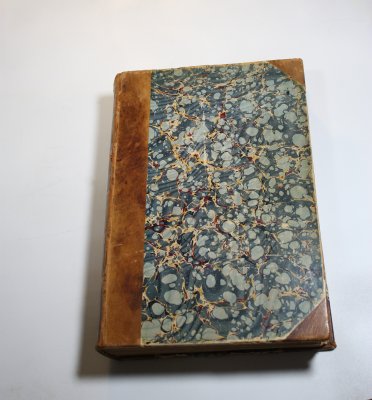
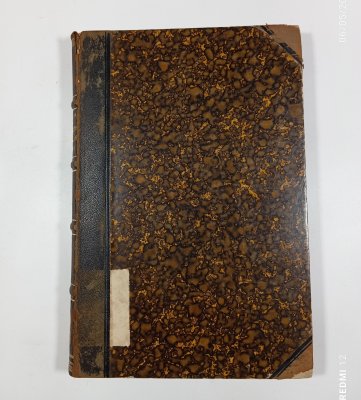
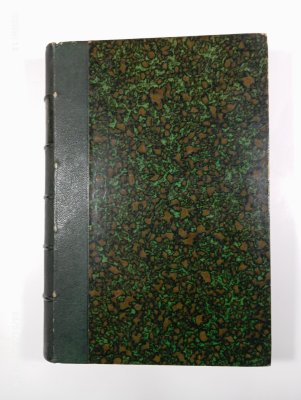
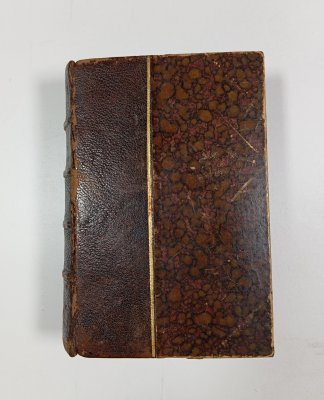
The 1864 first edition of La pluralite des mondes habites represents a crucial moment in the development of both astronomical science and science fiction literature. This original French edition is increasingly rare in the book market, particularly in good condition. While Flammarion's works achieved considerable popularity and were translated into multiple languages, early printings of this specific title have become scarce as copies dispersed among private collections and have sometimes been lost to time.
The book's value extends beyond its scientific content. As a historical artifact, it documents the intellectual ferment of mid-nineteenth-century European thought regarding humanity's place in the cosmos. For collectors interested in the origins of science fiction, the evolution of astronomical thought, or the history of extraterrestrial speculation, this work is indispensable.
Legacy and Lasting Impact
Flammarion's 1864 treatise profoundly influenced subsequent generations of astronomers, writers, and thinkers. It provided intellectual legitimacy to speculations about extraterrestrial life that had previously been dismissed as mere fantasy. The book's synthesis of rigorous science with imaginative possibility established a framework that modern astrobiology still employs.
For serious collectors and astronomy enthusiasts, a copy of this 1864 edition represents an opportunity to own a foundational text that bridged Victorian science and the modern scientific search for life beyond Earth.
Works by this author in our catalogue