9 August 2026
A Celestial Vision: Flammarion's Plurality of Inhabited Worlds in a Collector's Prize Edition
Discover why Camille Flammarion's La pluralité des mondes habités remains a cornerstone of astronomical literature. This exceptionally rare Charpentier edition, featuring Paul Fouché's exquisite etchings, represents both scientific enlightenment and fine bookmaking artistry.
The Visionary Behind the Stars
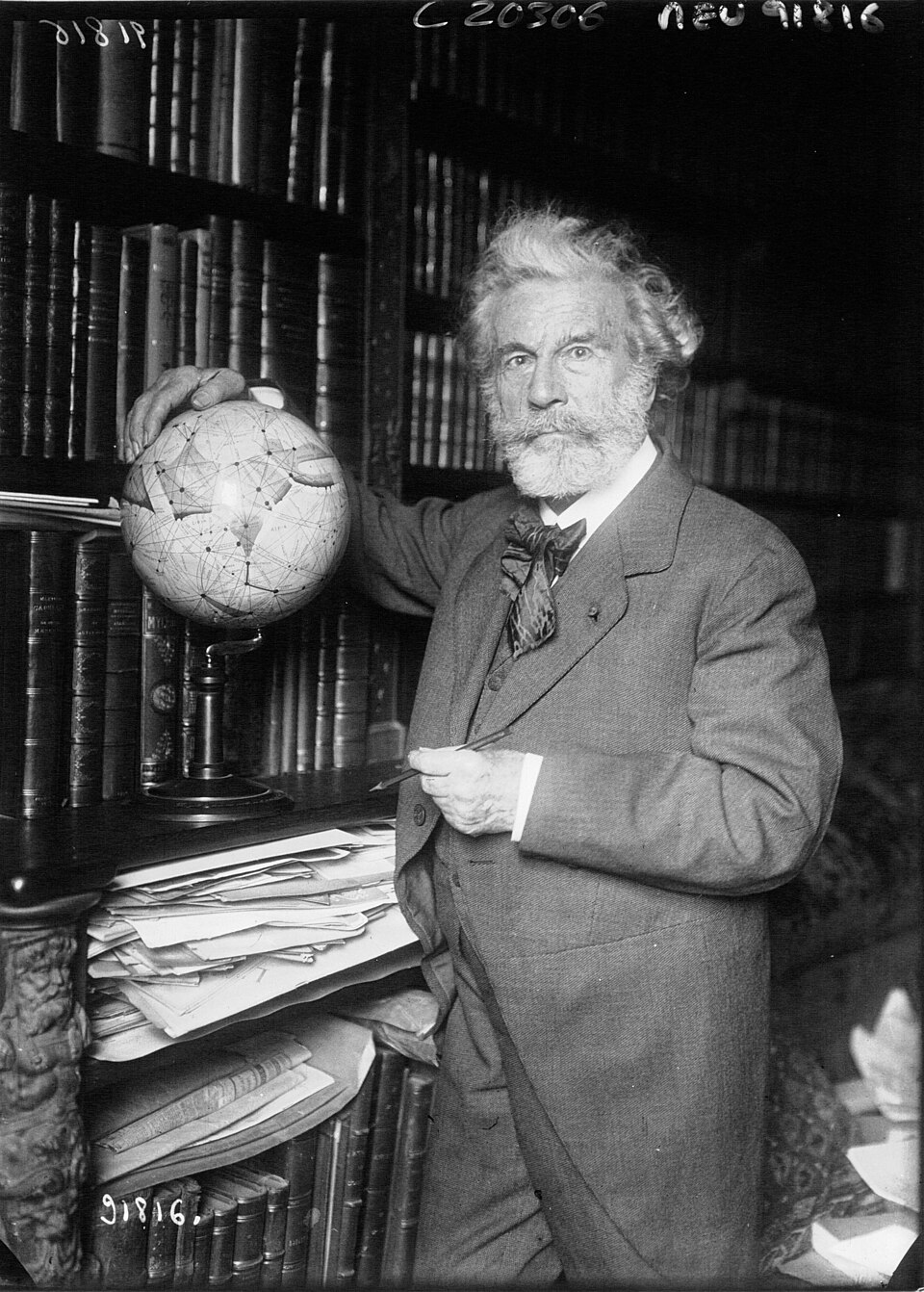
Camille Flammarion (1842-1925) stands as one of the most influential figures in the history of astronomy and science communication. His groundbreaking work La pluralité des mondes habités (The Plurality of Inhabited Worlds) challenged Victorian-era preconceptions about humanity's place in the cosmos, proposing that life likely flourished across countless worlds beyond Earth. Published during an era when such ideas bordered on heresy, Flammarion's treatise combined rigorous astronomical observation with imaginative speculation, capturing readers' minds and inspiring generations of astronomers and science fiction authors alike.
This French astronomer, inventor, and prolific author fundamentally transformed how the public understood the universe. His works transcended academic circles, reaching educated audiences through beautifully crafted editions that elevated scientific discourse to an art form. Flammarion believed that astronomy should inspire wonder and philosophical contemplation, not merely present technical data—a philosophy evident in every aspect of this magnificent volume.
The Charpentier Edition: A Triumph of the Book Arts
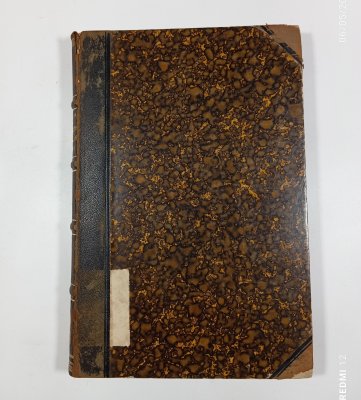
The edition housed in our collection represents something extraordinarily special: a limited release from the prestigious Parisian publisher Charpentier, dated around 1880. This version belongs to the celebrated Petite Bibliothèque Charpentier collection, known for combining scholarly content with superior production values. The publisher's commitment to excellence is immediately apparent in the binding—a contemporary half-morocco construction with decorative corner pieces, double gilded fillets adorning the covers, and a spine embellished with raised bands showcasing gilded author and title lettering.
What elevates this copy to true rarity status is its inclusion of two exquisite etchings by Paul Fouché, the period's master printmaker. These are not mere illustrations; they are works of art in themselves, rendered in two different states and protected by cloth guards. Only 75 numbered copies on Holland paper received this special treatment, making this already exclusive edition even more coveted among serious collectors.
A Collector's Holy Grail
Our example, numbered 58 from this limited issue, represents precisely what discerning collectors seek: a historically significant scientific text presented in museum-quality condition with exceptional provenance. The Holland paper itself speaks to the publisher's commitment to permanence and prestige—a material choice that has allowed this volume to survive more than a century in remarkable condition.
For astronomy enthusiasts, this book offers a fascinating window into nineteenth-century scientific thought and the philosophical questions that animated the nascent modern era. For rare book collectors, it exemplifies how scientific works can achieve the status of fine press productions. The marriage of Flammarion's visionary prose, Fouché's artistic genius, and Charpentier's craftsmanship creates an object of enduring cultural and intellectual significance.
This is more than a book—it is an artifact of humanity's quest to understand its cosmic context, beautifully preserved and ready to inspire its next generation of admirers.
Works by this author in our catalogue