21 August 2026
A Glimpse Into Tycho Brahe's Revolutionary Observatory: The Rare 1602 Astronomiae instauratae mechanica
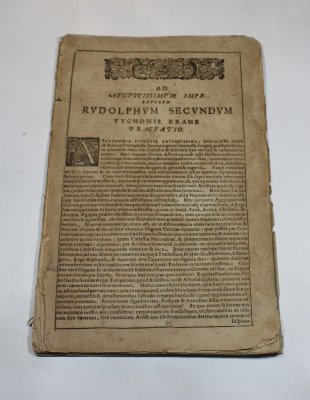
Discover why this fragmentary 1602 edition of Tycho Brahe's groundbreaking astronomical treatise is a treasure for collectors. Though incomplete, these 26 pages represent a pivotal moment in observational astronomy history.
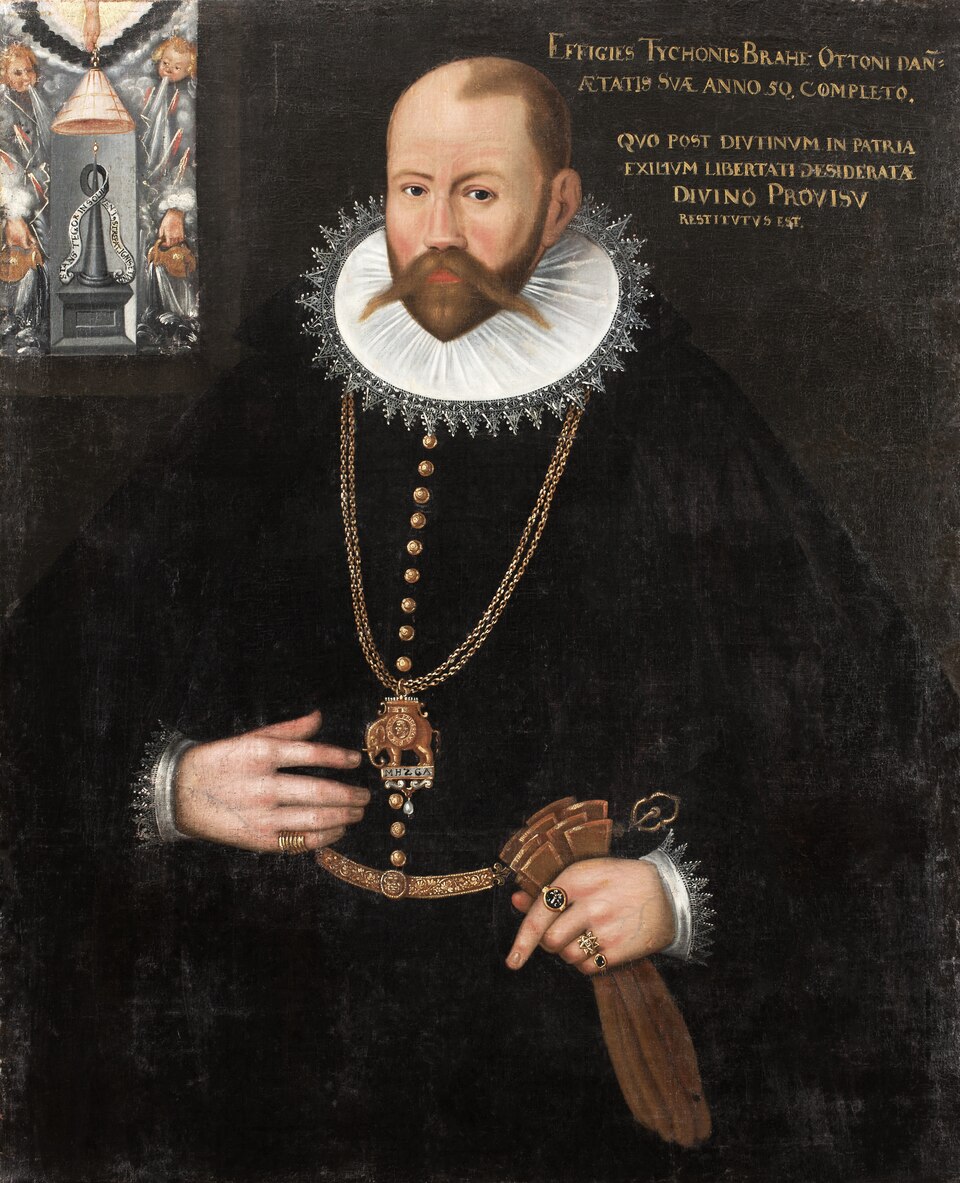
The Man Who Changed Astronomy Forever
Tycho Brahe (1546-1601) stands as one of history's most influential astronomers, yet he never looked through a telescope. This Danish nobleman revolutionized astronomy through meticulous naked-eye observations and the development of unprecedented astronomical instruments. His work bridged the gap between ancient Ptolemaic astronomy and the heliocentric revolution championed by Galileo and Newton, making him an indispensable figure in the Scientific Revolution.
Understanding Astronomiae instauratae mechanica
The title translates to "Astronomy Restored: Mechanical [Treatise]," and this work represents Tycho's definitive statement on his observational methods and instruments. Published posthumously in 1602—one year after his death—this treatise was intended to preserve the technical knowledge that made his observations the most accurate of his era. Tycho's instruments, including his famous mural quadrant and armillary sphere, were engineering marvels that represented centuries ahead of contemporary craftsmanship.
Why This Fragment Matters
The copy you're examining consists of only 26 pages of text, notably without a single illustration of Tycho's famous astronomical instruments. This absence is actually significant for collectors and historians. The original 1602 edition was lavishly illustrated with detailed engravings of Tycho's observational equipment—instruments so revolutionary they became legendary in astronomical circles. A text-only fragment like this is exceptionally rare, as most surviving copies include the complete instrumental illustrations that made the work so valuable to contemporary astronomers and instrument makers.
This incomplete state might seem disadvantageous, but it tells its own story. It suggests this copy was either carelessly bound, or it survived in a library where pages were removed for study or reference. The fact that the core text survived at all makes it a remarkable historical artifact.
The Historical Context
In 1602, the astronomical world was in transition. Tycho had died convinced the Earth remained at the cosmos's center, yet his Tychonic model preserved the observational accuracy needed for future heliocentric calculations. His student Johannes Kepler would use Tycho's data to formulate his revolutionary laws of planetary motion. This treatise, therefore, represents a crucial link in the chain connecting medieval astronomy to modern science.
A Collector's Perspective
For rare book collectors focusing on the history of science, this 1602 edition represents a critical moment in print history. Early editions of Tycho's works are increasingly difficult to find complete, making even fragmentary copies valuable for research and exhibition. The presence of only 26 pages creates an intriguing historical mystery—what was this copy's journey through four centuries of European history?
Whether you're an astronomy enthusiast seeking connection to observational history or a collector of significant scientific works, this partial copy of Astronomiae instauratae mechanica offers authentic connection to one of history's most important astronomers and a pivotal moment in scientific advancement.
Works by this author in our catalogue