20 July 2026
Percival Lowell's Mars and Its Canals: A Window into Astronomy's Most Romantic Delusion
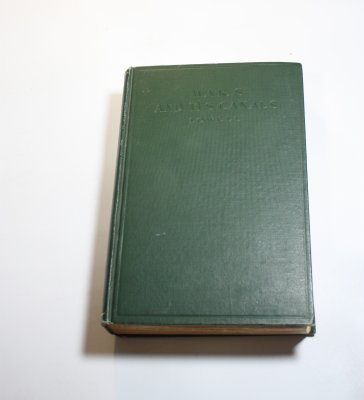
Explore the fascinating 1911 edition of Percival Lowell's controversial masterpiece that captivated the world with theories of Martian civilizations. Discover why this rare book remains essential for collectors and how it shaped both astronomy and science fiction.
The Man Who Saw Canals on Mars
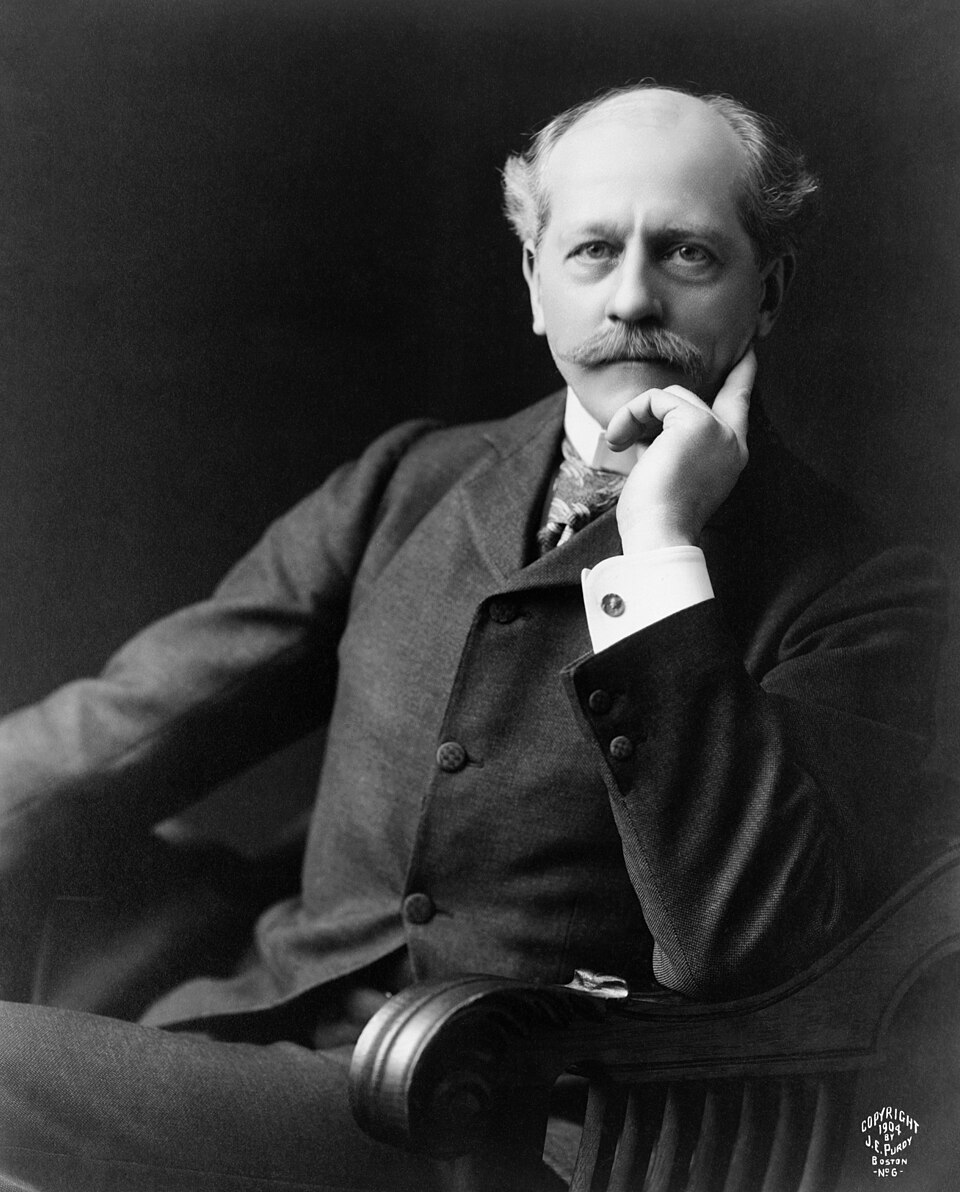
When Percival Lowell published Mars and Its Canals in 1911, he was already a celebrated figure in American astronomy. Yet this book represented the culmination—and, as history would judge, the catastrophe—of his life's most passionate obsession: proving that an intelligent Martian civilization had engineered an elaborate system of canals across the Red Planet's surface. Following the earlier success of his 1896 work Mars, Lowell doubled down on his controversial hypothesis with even more audacious claims and detailed observations.
A Legacy Built on Illusion
Today, we know that Lowell's theories were fundamentally flawed. The canals he observed so meticulously were optical illusions—artifacts of telescopic observation and the human mind's tendency to perceive patterns. Yet dismissing this book as mere pseudoscience would be a grave mistake for collectors and historians alike. Lowell's contributions to astronomy were profound and lasting, despite the centerpiece of his work being demonstrably wrong. He established the Lowell Observatory in Flagstaff, Arizona, one of the first world-class astronomical facilities in North America, which continues operating today. More remarkably, his systematic searches for trans-Neptunian planets directly led to Clyde Tombaugh's discovery of Pluto in 1930—vindication of Lowell's scientific rigor, if not his Martian theories.
Inspiring the Imagination
The cultural impact of Mars and Its Canals extended far beyond academic circles. H.G. Wells's seminal science fiction novel The War of the Worlds drew direct inspiration from Lowell's work. The notion that an ancient, dying Martian civilization might seek to colonize Earth captured the Victorian imagination and helped establish the template for extraterrestrial invasion narratives that persist in popular culture today. This book, then, bridges the gap between rigorous science and imaginative speculation—a fascinating intersection for collectors interested in the history of ideas.
What Makes This Edition Significant
The 1911 edition of Mars and Its Canals holds particular value for serious collectors. Published at the height of Lowell's influence and Mars mania, this edition features his most detailed observational data and includes fascinating chapters on Vegetation—where Lowell theorizes that blue-green zones are vast Martian forests rather than oceans—and Life, in which he argues that water and sophisticated life forms necessarily imply superintelligent beings. Original copies are increasingly scarce, making them prized acquisitions for those collecting the history of astronomy, science fiction's origins, or the intersection of both.
A Must-Have for Discerning Collectors
Mars and Its Canals represents a pivotal moment when science, speculation, and wonder converged. Whether you're drawn to it as a milestone in astronomical history, a primary source for understanding science fiction's genesis, or simply as a beautiful artifact of early 20th-century scientific publishing, this 1911 edition deserves a place in any serious collection. It reminds us that even mistaken science can reshape our understanding of the cosmos and our place within it.
Works by this author in our catalogue