31 July 2026
When Art Met Science: James Nasmyth's Groundbreaking Lunar Photography
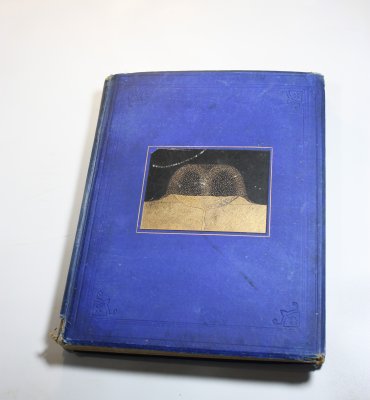
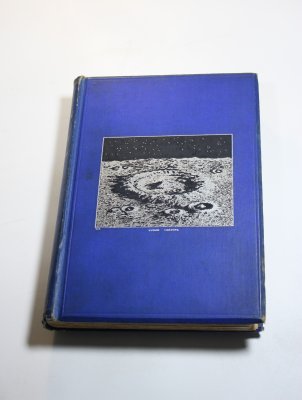
Discover how Scottish engineer James Nasmyth revolutionized lunar observation with ingenious plaster casts and pioneering Woodburytype photography. The 1885 third edition of 'The Moon considered as a planet, a word, and a satellite' remains a masterpiece of scientific illustration and collecting.
The Ingenious Mind Behind the Lunar Masterpiece
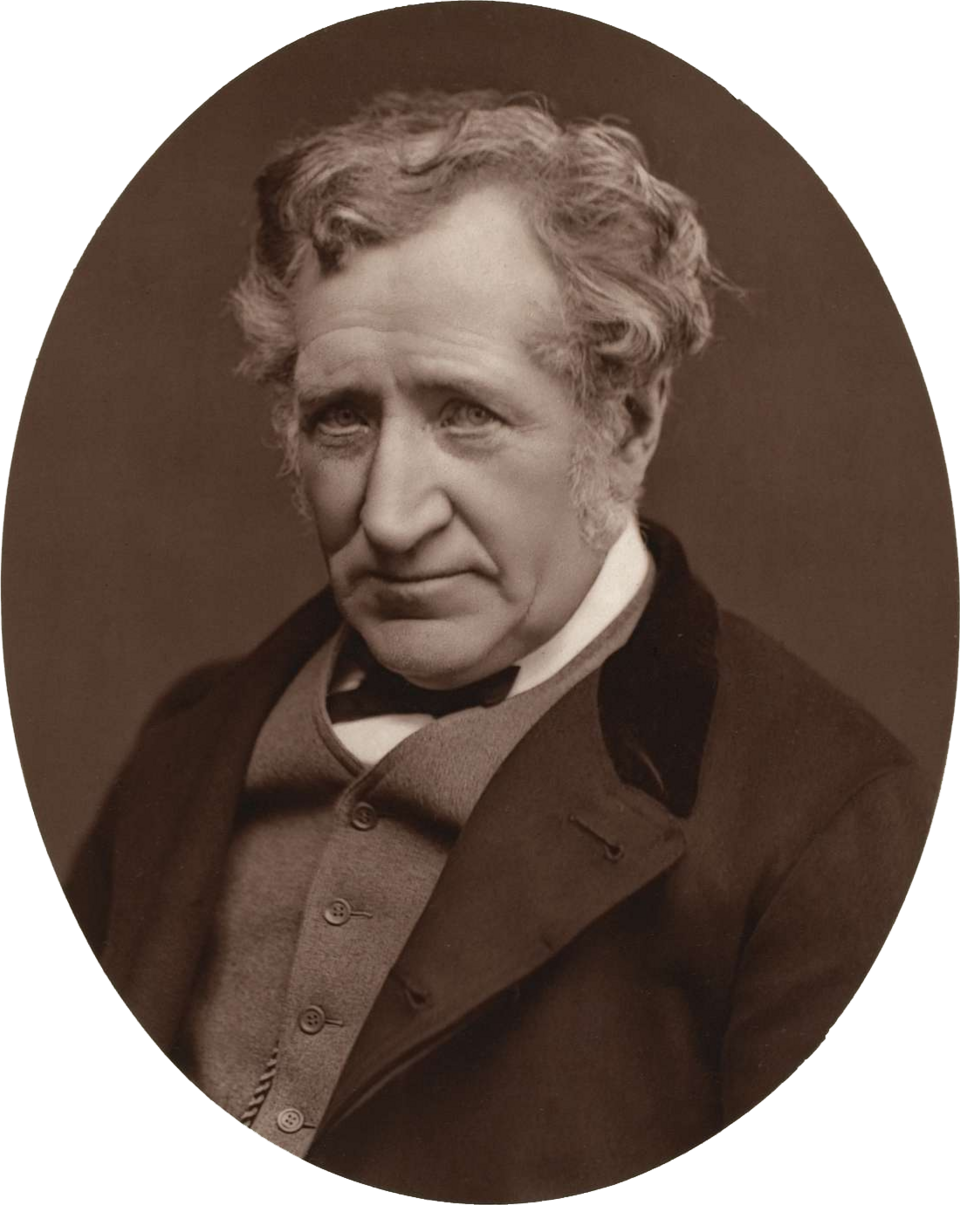
James Nasmyth (1808-1890) was no ordinary Victorian gentleman scholar. Before retiring to his Kentish estate to pursue his passions for astronomy and photography, this Scottish engineer had already secured his fortune by perfecting the steam hammer—a revolutionary machine that transformed iron manufacturing across the industrial world. Yet it is not his engineering innovations that capture the imagination of collectors today, but rather his meticulous dedication to understanding the Moon's mysterious surface.
As noted in the Oxford Dictionary of National Biography, Nasmyth was an accomplished amateur astronomer who designed and built his own telescopes for systematic observation. But unlike his contemporaries who were content to sketch lunar features or merely describe what they saw, Nasmyth possessed the creativity and technical skill to develop an entirely novel approach to astronomical documentation.
Revolutionary Methodology: Plaster, Light, and Photography
The fundamental challenge facing lunar astronomers in the nineteenth century was simple yet profound: photography could not yet capture the fine details of the Moon's cratered surface. Rather than accept this limitation, Nasmyth devised an ingenious solution. He meticulously constructed plaster models based on his telescopic observations, recreating the Moon's topography in three dimensions with remarkable fidelity.
The true genius lay in his next step. Nasmyth photographed these plaster casts under carefully controlled electric lighting, positioning the light source to create dramatic shadows that emphasized the lunar terrain's relief and structure. This technique produced images of extraordinary clarity and depth—capturing details that direct astronomical photography simply could not achieve.
Woodburytypes: A Technological Marvel
What makes this 1885 third edition particularly significant for collectors is the reproduction method employed. Nasmyth's photographs were converted into Woodburytypes, a photomechanical process patented in 1864 that represented a major breakthrough in publishing technology. This process was one of the first successful methods capable of faithfully reproducing the delicate halftones of photographs—a genuine innovation that would influence scientific publishing for decades.
The Woodburytype process created prints of exceptional quality and permanence, far superior to earlier photographic reproduction methods. Each image in Nasmyth's lunar atlas represents a marriage of art and science, technical mastery and aesthetic beauty.
Why Collectors Cherish This Edition
Originally published in 1874, this third edition from 1885 represents the mature refinement of Nasmyth's work. The combination of factors—the groundbreaking subject matter, the innovative Woodburytype reproduction, the historical significance of both author and methodology—makes this a treasure for serious collectors of both astronomical literature and photographic history.
For those seeking a window into Victorian scientific achievement, lunar exploration before the space age, and the ingenious problem-solving of one of history's great polymaths, this volume remains an extraordinary acquisition.
Works by this author in our catalogue