12 July 2026
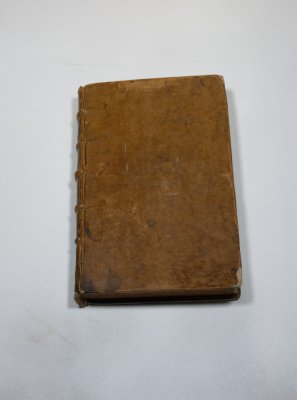
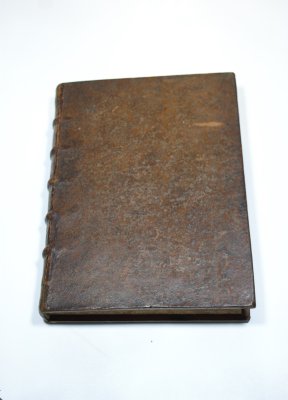
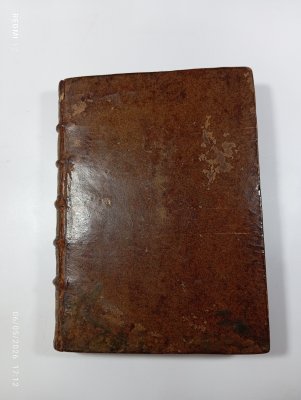
A Posthumous Masterpiece: The 1664 First Edition of Descartes' 'Le Monde'
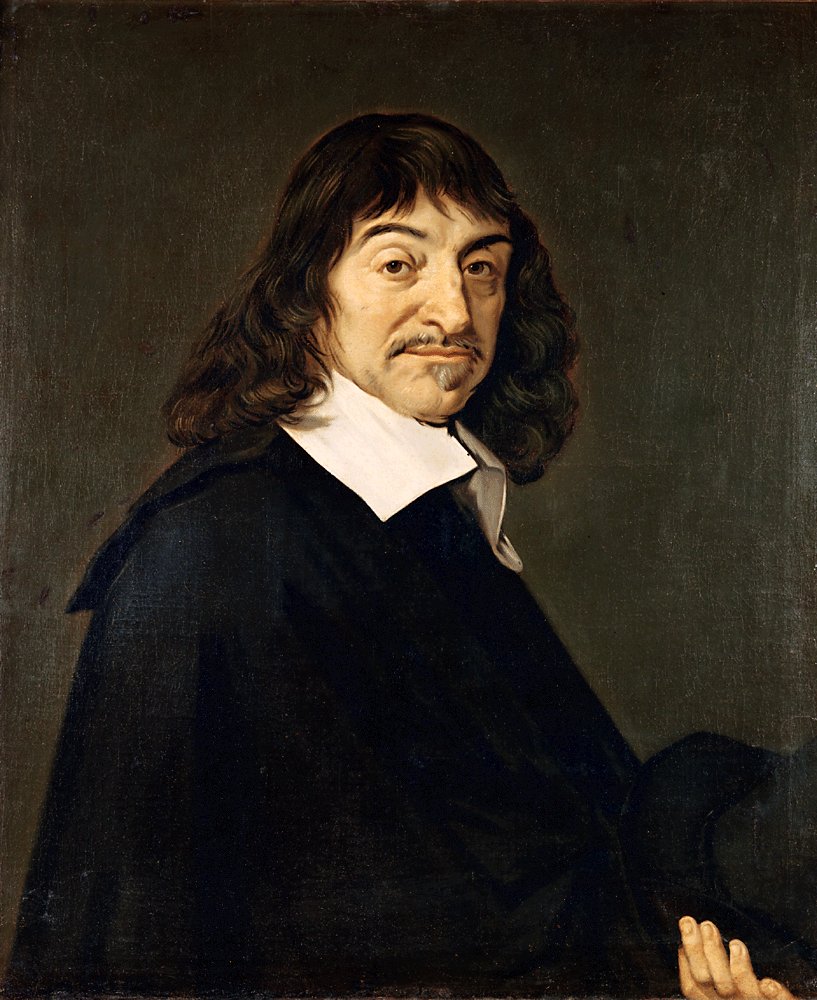
Discover why the 1664 first edition of Descartes' groundbreaking treatise on light and the heliocentric system remains one of the most sought-after scientific works. Learn about the manuscript suppressed for three decades and the typographic markers that authenticate this rare first printing.
Descartes' Forbidden Manuscript Finally Sees Light
In the annals of scientific history, few works carry as much dramatic intrigue as René Descartes' Le monde de Mr. Descartes ou le traité de la lumiere (The World of Mr. Descartes or the Treatise on Light). Composed between 1632 and 1633, this groundbreaking treatise remained unpublished during the philosopher's lifetime—a deliberate choice born from intellectual caution and ecclesiastical pressure that would shape the course of early modern science.
The Ghost of Galileo's Shadow
When Descartes completed his manuscript, he harbored revolutionary ideas. The treatise vigorously defended the heliocentric system of Copernicus, positioning the sun at the center of the cosmos rather than the Earth. However, Descartes was acutely aware of the danger such views represented. The condemnation of Galileo Galilei in 1633—occurring precisely as Descartes was finalizing his work—sent shockwaves through the intellectual community. Fearing similar ecclesiastical retribution, Descartes made the agonizing decision to suppress publication, choosing philosophical discretion over immediate fame.
A Race for Posthumous Rights
Descartes died in 1650, taking his secret to the grave. However, he had explicitly stipulated that his works should be published after his death. By late 1663, nearly a decade after his passing, a curious dispute emerged. Two French families, Le Gras and Clerselier, competed fiercely for the privilege of publishing Descartes' posthumous works. This rivalry, though seemingly arcane to modern readers, was intensely consequential—whoever secured the privilege would control the dissemination of the greatest philosophical mind of the age.
The Typographic Signature of Authenticity
The 1664 edition that emerged from this contest remains among the most valuable in any collector's library. What makes this particular copy exceptionally significant is a subtle but definitive detail: the typographic mark adorning its title page matches Thomas Girard's authentic state, characterized by six distinctive florons (ornamental fleurons). This seemingly minor aesthetic feature carries profound implications for collectors and historians. It definitively identifies this copy as part of the genuine first edition—the true original printing—rather than one of the subsequent impressions or counterfeit editions that inevitably followed such a celebrated work.
Why Collectors Treasure This Edition
For rare book collectors and astronomy enthusiasts alike, the 1664 Le monde represents far more than a historical curiosity. It embodies the turbulent intersection of science, faith, and intellectual freedom in the seventeenth century. Descartes' synthesis of Copernican astronomy with his mechanistic philosophy fundamentally shaped how Western civilization understood the cosmos. The manuscript's three-decade suppression underscores the perilous position of scientific truth-telling during this era.
An authenticated first edition with the correct typographic provenance is genuinely rare. This is the work that dared imagine the world operating according to mechanical principles—a radical notion that paved the way for Newton and the scientific revolution to follow. Holding such a volume is holding a turning point in human knowledge.
Works by this author in our catalogue