24 June 2026
Descartes' Discourse on Method: A Milestone 1668 Edition That Revolutionized Scientific Thought
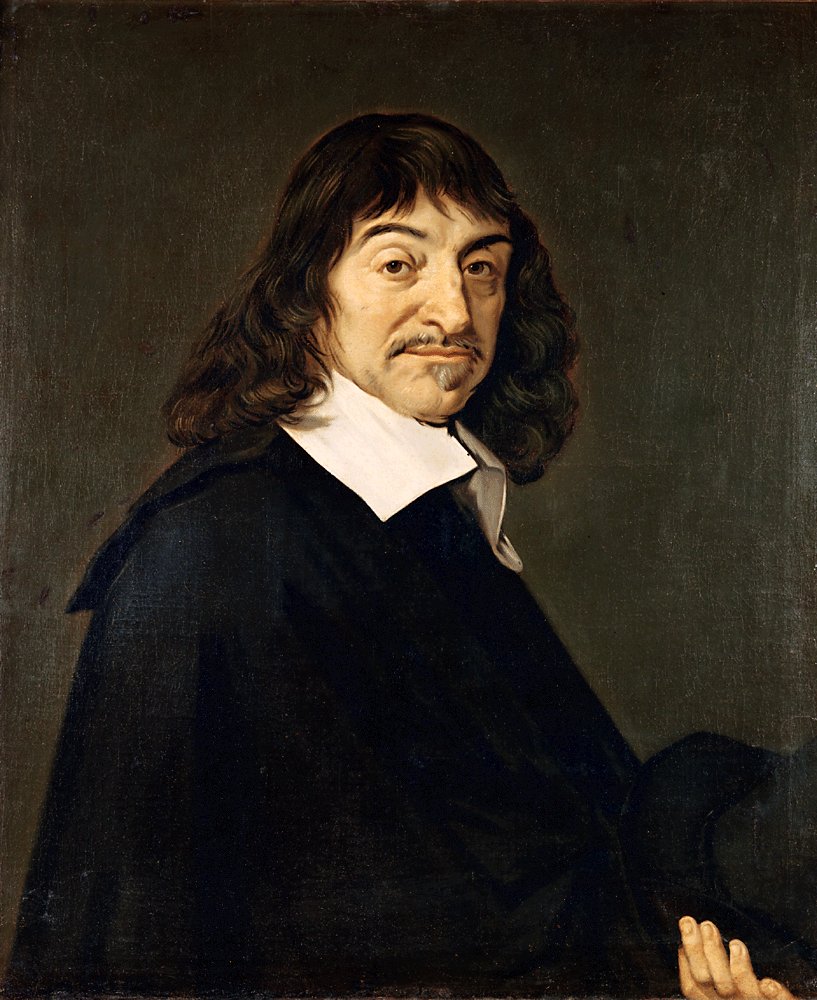
Discover why the rare 1668 Michel Bobin and Nicolas Le Gras edition of Descartes' Discourse on Method remains one of the most influential works in the history of human thought, and why collectors prize this particular printing.
The Foundation of Modern Reason
René Descartes' Discours de la Méthode stands as one of the most pivotal intellectual achievements in human history. This groundbreaking work, first published in French in 1637, fundamentally transformed how humanity approaches knowledge, science, and rational thought. The 1668 edition held in our collection represents a crucial moment in the dissemination of Descartes' revolutionary philosophy, published just decades after the author's death in 1650.
Revolutionary Methodology and Scientific Inquiry
At its core, the Discourse on Method presents Descartes' manifesto of reason, built upon a foundation that seems deceptively simple yet profoundly transformative: the systematic exercise of doubt in all things. Rather than accepting received wisdom uncritically, Descartes proposed that genuine knowledge could only be established through rigorous skepticism. This methodological doubt became the cornerstone upon which he constructed the edifice of modern science. Collectors and scholars recognize this work as instrumental in bridging medieval scholasticism and the scientific revolution that would define the following centuries.
Why This 1668 Edition Matters
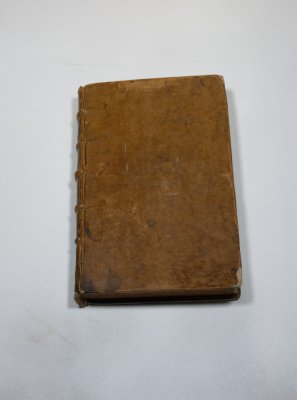
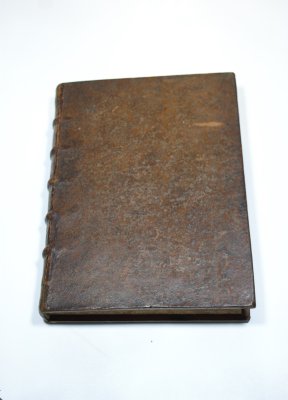
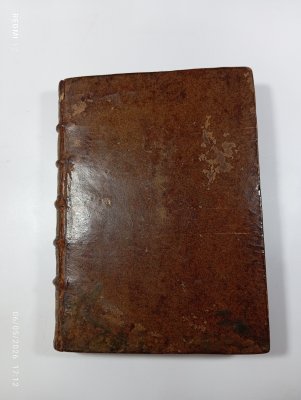
The edition before you represents the true third printing, completed on April 28, 1668, a collaborative effort between the Parisian publishers Michel Bobin, Théodore Girard, and Nicolas Le Gras. This specific dating is crucial to understanding its rarity and historical importance. During the same year, an alternative 1668 edition appeared from publisher Charles Angot, completed just ten days later on May 8, with supplementary treatises on mechanics and an abbreviated version of Descartes' musical theory. These nearly simultaneous publications demonstrate the intense demand for Descartes' work in late seventeenth-century intellectual circles.
Provenance and Historical Connection
This particular copy carries remarkable documentary evidence suggesting it was once part of the library of Louis Legrand (1711-1780), a distinguished Sulpician priest, theologian, and doctor of the Sorbonne. Legrand's ownership notation connects this physical book to the heights of French ecclesiastical scholarship during the Enlightenment. That a Sorbonne doctor and religious figure possessed Descartes' work speaks to how thoroughly this philosophy permeated all levels of educated society, from secular to sacred learning.
A Treasure for Collectors
For rare book collectors and astronomy enthusiasts, this 1668 Bobin-Le Gras edition represents far more than a historical curiosity. It embodies the intellectual scaffolding upon which modern science was built. Descartes' method of doubt and rational analysis became the foundation for scientific inquiry from Isaac Newton to contemporary astronomical research. In holding this three-hundred-fifty-year-old volume, collectors possess a tangible link to the moment when human thought began its ascent toward the systematic understanding of the cosmos.
The enduring significance of the Discourse on Method cannot be overstated—it remains certainly one of the most important books in the history of human thought. This 1668 edition, with its documented provenance and historical context, offers collectors an opportunity to own a foundational text that shaped the very methodology through which we understand our universe.
Works by this author in our catalogue